July 23, 2026
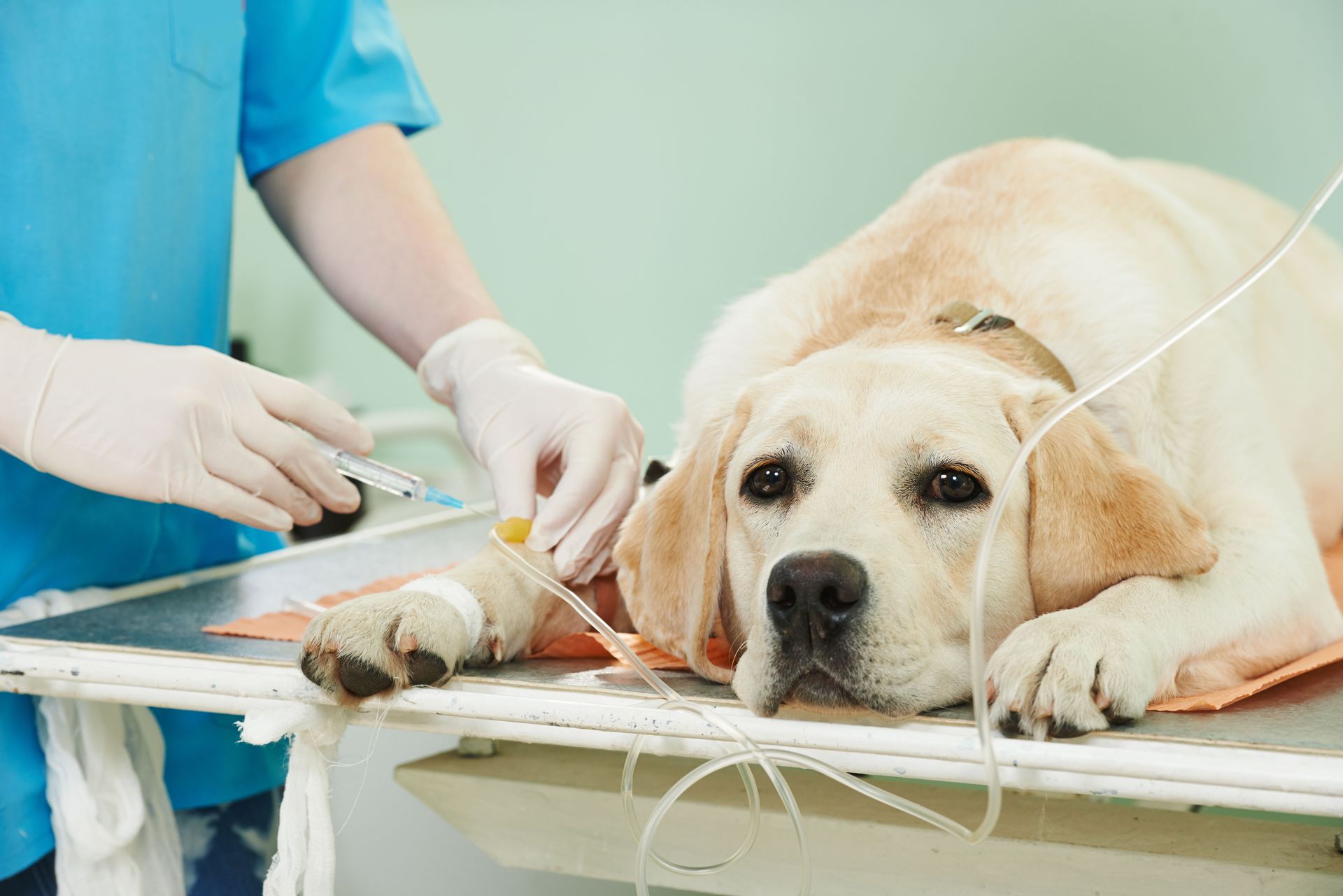
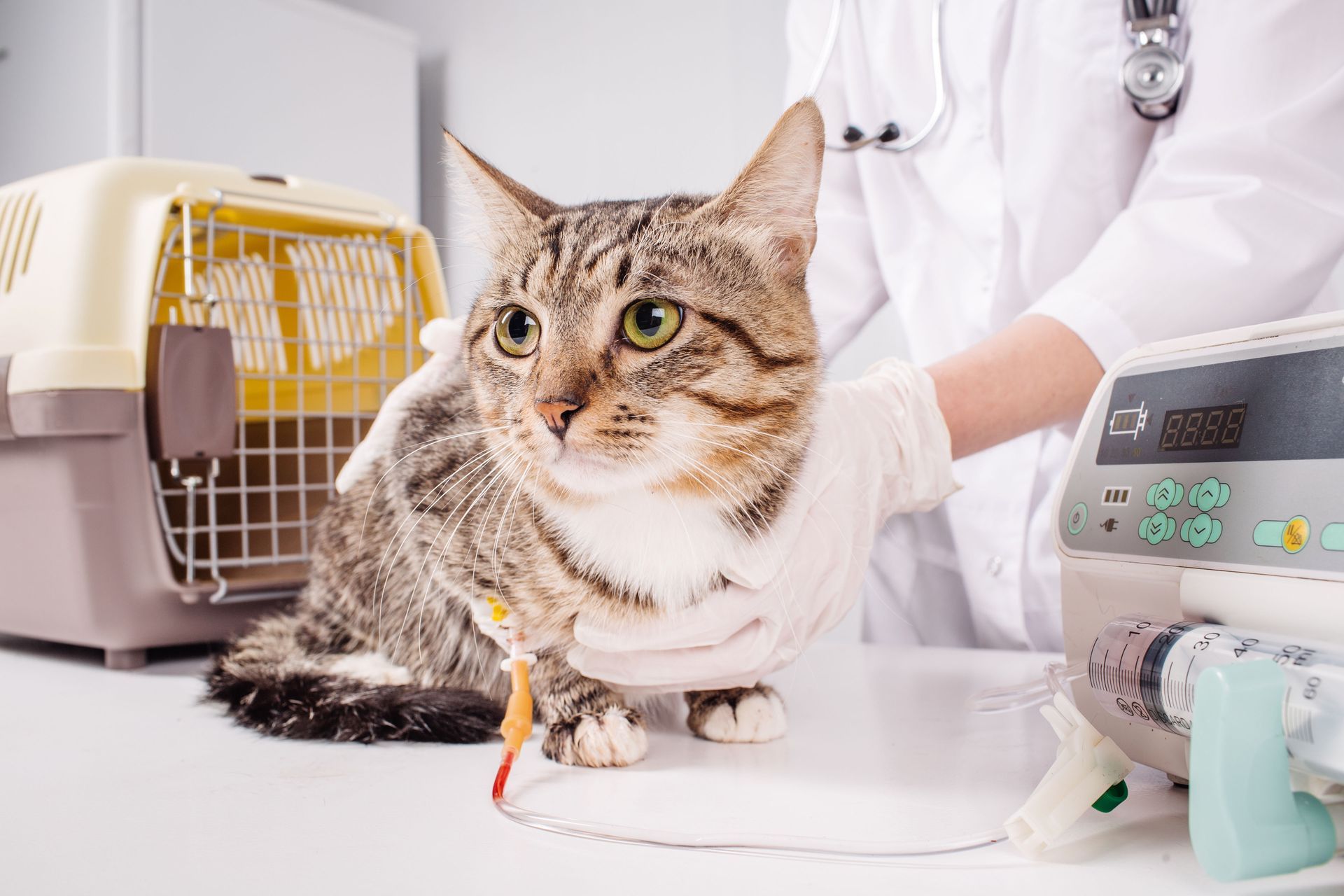
Helping a beloved pet recover after surgery can feel overwhelming, especially when they seem tired, uncomfortable, or unsure of their surroundings. Healing takes patience, close observation, and consistent communication with your veterinary team. Every procedure is different, and each animal responds in its own way, making personalized aftercare an essential part of a successful recovery. Choosing experienced pet surgery services is only the beginning of supporting your companion through the healing process.
Recovery is about much more than waiting for an incision to heal. It involves protecting the surgical site, encouraging appropriate rest, monitoring changes in behavior, and following every recommendation provided by your veterinarian. With careful attention and a calm home environment, many pets regain their comfort gradually while reducing the risk of complications that could delay healing.
Creating a Calm Recovery Environment
Bringing a pet home after surgery requires thoughtful preparation. A quiet space away from household activity allows them to rest without unnecessary stress or excitement. Comfortable bedding, easy access to fresh water, and a peaceful atmosphere help support both physical healing and emotional well-being during the recovery period.
Pets often feel disoriented after anesthesia, making familiar surroundings especially important. Limiting loud noises, interactions with other animals, and excessive stimulation allows them to recover at a comfortable pace. Depending on the procedure, your veterinarian may recommend restricting access to stairs, furniture, or slippery flooring to reduce strain on the healing body.
Professional guidance from pet surgery services helps pet owners understand how to adapt the home environment to meet the specific needs of each patient. Following those recommendations closely promotes a smoother recovery while minimizing avoidable setbacks.
Following Every Veterinary Instruction
Postoperative instructions are carefully developed for each patient and should always be followed exactly as directed. Medication schedules, feeding recommendations, activity restrictions, and wound care instructions all work together to support healing while reducing the chance of infection or other complications.
Even if a pet appears energetic shortly after returning home, healing beneath the surface often continues long after visible improvements appear. Allowing unrestricted activity too soon may place unnecessary stress on surgical tissues and interfere with recovery. Remaining patient throughout the healing process is one of the most valuable ways owners can contribute to positive outcomes.
Clear communication also plays an important role. If any instruction seems unclear or unexpected changes occur during recovery, contacting the veterinary team promptly helps address concerns before they become more serious. Experienced providers of pet surgery services remain an important resource throughout every stage of healing.
Monitoring Changes With Care
Observation is one of the most important responsibilities after surgery. While mild tiredness and temporary changes in appetite may be expected depending on the procedure, unusual symptoms should never be ignored. Paying attention to behavior, mobility, and overall comfort helps identify concerns that may require professional evaluation.
Owners should regularly observe the surgical area without disturbing it unnecessarily. Any unexpected swelling, discharge, unusual odor, or signs that a pet is excessively licking or chewing at the incision deserve prompt attention from the veterinary team. Behavioral changes such as persistent discomfort, unusual vocalization, or significant loss of appetite may also indicate that further evaluation is needed.
Advances in veterinary medicine continue to improve recovery experiences for many patients. According to Fortune Business Insights’ veterinary surgical analysis, minimally invasive techniques in pet surgery can reduce recovery periods by 40-50% compared with traditional methods, easing owner stress associated with longer healing times. Even with these advancements, following guidance from qualified pet surgery services remains essential because every patient heals differently.
Supporting Healthy Daily Routines
Returning to familiar routines gradually helps many pets regain confidence during recovery. Consistent meal schedules, appropriate hydration, and adequate rest all contribute to overall wellness while supporting the body’s natural healing processes.
Some pets may temporarily experience changes in appetite or energy following surgery. Offering meals according to veterinary recommendations and ensuring fresh water remains available encourages proper nutrition and hydration without placing unnecessary strain on the digestive system. Any significant or persistent changes should always be discussed with the veterinary team rather than managed independently.
Emotional support is equally important. Gentle reassurance, calm companionship, and predictable daily routines help reduce anxiety during recovery. Pets often respond positively to quiet interaction that allows them to feel secure without encouraging excessive movement. Families who work closely with pet surgery services are better prepared to understand which activities are appropriate as healing progresses.
Preventing Common Recovery Setbacks
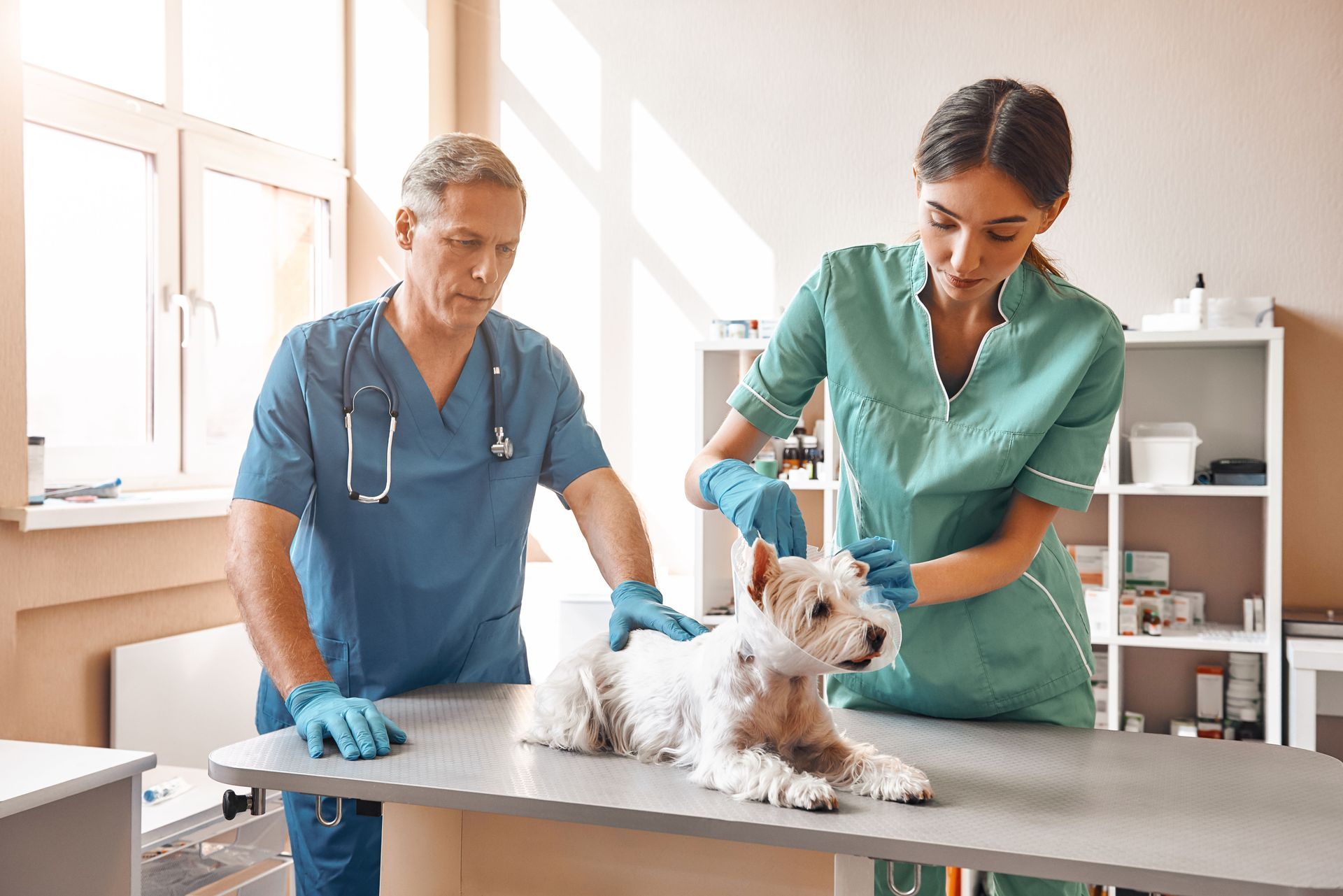
Successful recovery depends not only on promoting healing but also on preventing avoidable complications. One of the most common challenges involves pets attempting to lick, chew, or scratch at their incision. Protective devices recommended by the veterinary team should remain in place for the full recommended period, even if the surgical site appears to be healing well.
Activity restrictions also deserve careful attention. Many pets begin feeling better before their bodies have fully recovered, making it tempting to resume normal play too quickly. Controlled movement, supervised outings when appropriate, and careful adherence to veterinary instructions help protect healing tissues until recovery is complete.
Household members should also understand the importance of maintaining a calm environment throughout the recovery period. Children and other pets may unintentionally encourage activity that places unnecessary stress on the healing body. Clear expectations for everyone in the home create a safer experience for the recovering pet.
Professional follow-up appointments remain another important part of postoperative care. These visits allow the veterinary team to evaluate healing progress, answer questions, and determine when activity restrictions may safely change. Ongoing communication with pet surgery services helps ensure recovery continues as expected while providing reassurance for concerned owners.
Building Confidence Throughout the Healing Journey
Recovery after surgery often requires patience from both pets and their families. Healing may progress steadily while still including temporary changes in energy, appetite, or behavior that can cause understandable concern. Remaining focused on veterinary guidance instead of comparing recovery experiences with those of other animals helps create realistic expectations.
Trust develops through consistent care and careful observation. Providing a comfortable environment, following medication instructions, attending recommended follow-up visits, and responding promptly to unusual symptoms all contribute to successful healing. Small improvements over time often indicate that recovery is moving in the right direction, even when progress feels gradual.
Owners should also remember that emotional well-being supports physical recovery. Calm reassurance, gentle interaction, and maintaining familiar routines can reduce stress while helping pets feel secure throughout the healing process. Every positive step builds confidence for both the animal and the family caring for them.
When questions arise, seeking professional guidance is always the safest decision. Reliable pet surgery services provide ongoing support that extends well beyond the procedure itself, helping owners make informed decisions throughout recovery while protecting their companion’s long-term health.
A comfortable recovery is built through preparation, patience, and close partnership with experienced veterinary professionals. Every recommendation provided after surgery serves an important purpose, helping reduce unnecessary risks while supporting steady healing. Careful observation, consistent routines, and timely communication all contribute to a smoother experience for both pets and their families.
If your companion is preparing for a procedure or needs compassionate postoperative care, contact Hanover Veterinary Hospital. We proudly provide pet surgery services with personalized guidance before, during, and after every procedure, helping your pet recover as comfortably and safely as possible.