Take These 3 Steps to Prepare Your Dog for Surgery
July 30, 2025

July 30, 2025

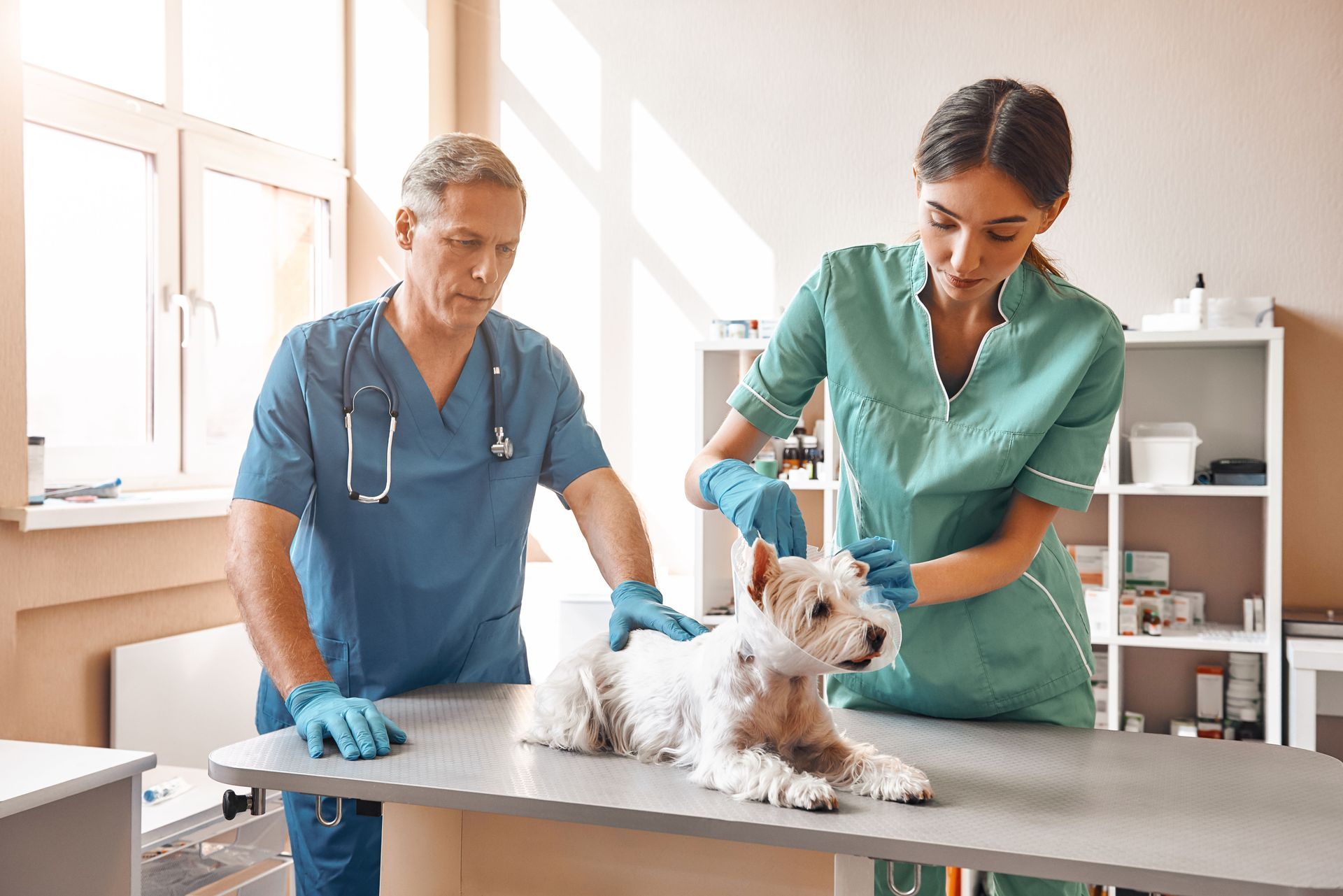
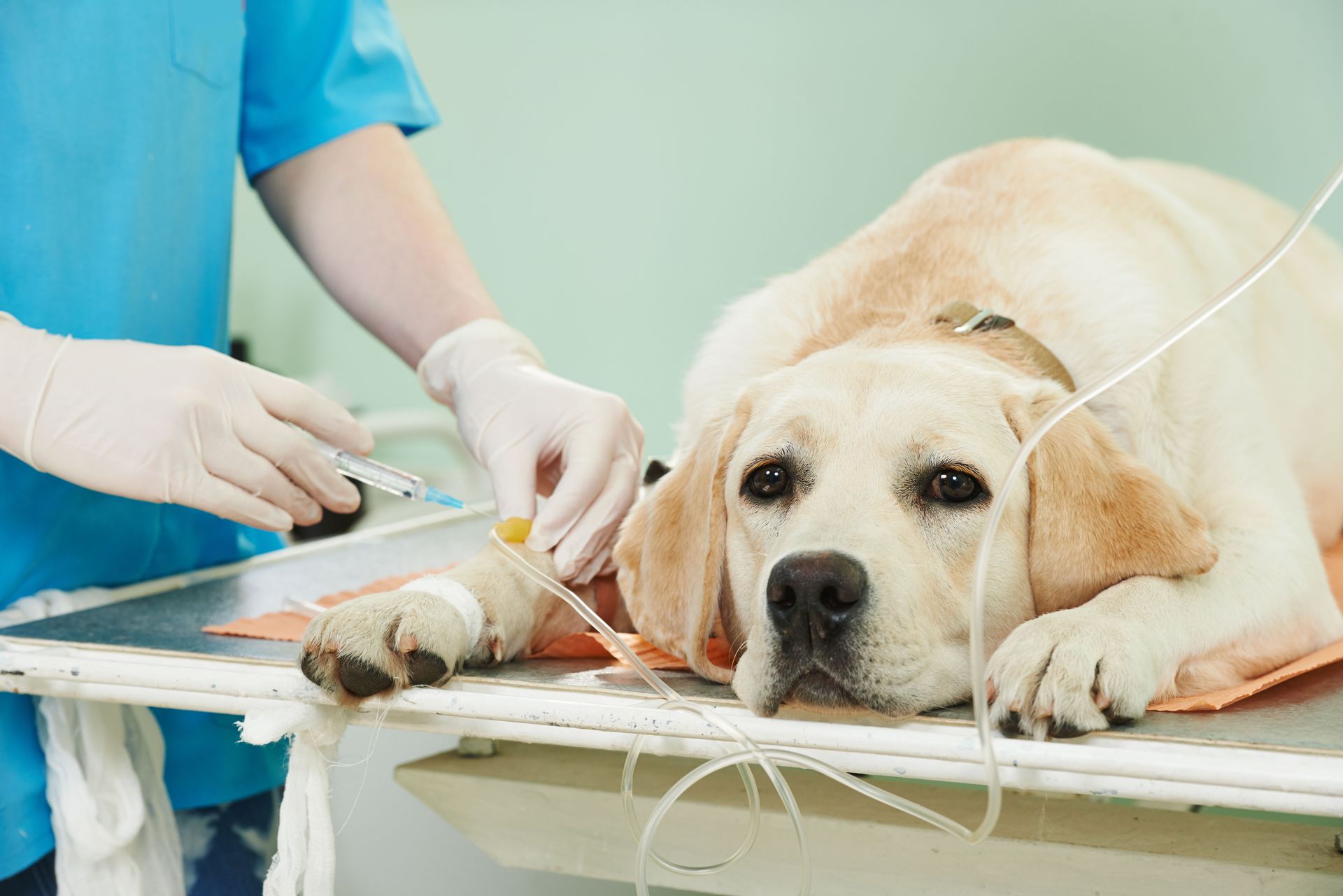
Preparing your dog for pet surgery can feel overwhelming, especially if it’s your first time navigating a medical procedure for your furry friend. Whether it’s a simple procedure or a more complex operation, a thoughtful approach before the surgery can make a big difference in your dog’s recovery and peace of mind for you. Following a few essential steps will help ensure a smoother experience for both you and your pet.


1. Communicate with Your Veterinarian Early

The first and most important step in preparing for pet surgery is talking with your veterinarian. Ask for a full explanation of the procedure, what it entails, and what to expect before, during, and after surgery. Make sure to voice any questions or concerns so you fully understand the process and can make informed decisions. According to the American Veterinary Medical Association, over 45.5% of U.S. households own a dog—highlighting how common these situations are and the importance of being a proactive, informed pet owner.


2. Set Up a Safe and Comfortable Recovery Area

Before the surgery date, prepare a quiet and clean recovery space at home. Your dog will need plenty of rest after pet surgery, and a calm environment can support healing. Choose a space free from foot traffic, sharp objects, or obstacles. Provide a soft bed and fresh water, and make sure your dog can easily access everything without climbing or jumping. Tailor the space to your dog’s size, age, and medical needs to ensure their comfort during recovery.


3. Follow Dietary and Medication Instructions Carefully

Leading up to the surgery, your vet may give you specific feeding and medication instructions. This often includes fasting or adjusting medications in the hours before the procedure. Following these directions precisely is critical to avoid complications during pet surgery. Keep your dog hydrated, manage any prescriptions responsibly, and avoid giving treats or food unless your vet gives the green light. Sticking to the proper routine supports a safe and successful surgery.


Taking time to prepare for your dog’s surgery shows just how much you care. From clear communication with your vet to creating a relaxing recovery space and following all pre-surgery instructions, each step plays a vital role in your dog’s comfort and healing. Your effort and attention now can lead to a smoother recovery and a healthier, happier companion in the long run. For expert guidance and compassionate care before, during, and after pet surgery , trust the dedicated team at Hanover Veterinary Hospital.

March 10, 2026
Keeping pets healthy involves more than treating illnesses after they appear. Preventive care plays a major role in helping animals live longer and happier lives. Regular veterinary visits allow professionals to monitor health changes and address concerns early. Understanding the value of early detection can help pet owners make proactive care decisions. 1. Identifying Subtle Health Changes Early Pet wellness services help veterinarians notice small changes before they become serious problems. Routine exams and veterinary wellness care allow professionals to track weight, behavior, and overall health trends. Early detection often leads to simpler and more effective treatment options. Consistent checkups give pet owners reassurance and guidance. 2. Supporting Growing Pet Families Many households are preparing to welcome new pets in the coming years. According to Dogster, around 65% of 18–34-year-olds intend to bring a pet into their family within the next five years. Pet services ensure that new pets start their lives with the right care, vaccinations, and preventive care plans. Early veterinary guidance helps set healthy habits from the beginning. 3. Preventing Illness Through Vaccinations and Nutrition Preventive care includes vaccinations, prescription pet diets, and prescription foods that support long-term health. Veterinary services and supplies help manage nutrition, allergies, and ongoing medical needs. Dermatology services can identify skin conditions before they worsen. These steps work together to prevent avoidable illnesses. 4. Detecting Dental and Skin Concerns Quickly Pet wellness services include dental care and dermatology support to catch issues early. Regular dental checkups can identify infections or tooth damage before they cause pain. Skin evaluations help address allergies, irritations, and infections promptly. Early treatment improves comfort and prevents more serious complications. 5. Providing Access to Advanced and Emergency Care Early detection also ensures pets receive timely treatment when needed. Surgery, emergency services, and mobile services allow veterinarians to respond quickly to changing health conditions. Boarding services can provide safe care during recovery or travel. Fear-Free certification helps create a calm and supportive environment for pets during visits. Comprehensive care makes a meaningful difference in long-term pet health and well-being. Hanover Veterinary Hospital offers veterinary services, surgery, veterinary wellness care, vaccinations, dental care, boarding, emergency services, and more, with English and German spoken for added convenience. Their commitment to preventive care helps pets live healthier lives from the start. For more information, contact us today!
Veterinarian listening to a Golden Retriever's heart with a stethoscope in an exam room.
September 30, 2025
Pet wellness care is vital for ensuring that our beloved animals lead healthy, fulfilling lives. Keep reading to learn about three reasons it's so important.
Veterinarian using a stethoscope to examine a brown tabby cat's chest.
May 29, 2025
By doing thorough research and asking the right questions, you can find a veterinary hospital that not only meets but exceeds your expectations.
Show More →