November 24, 2026
Your pet can't tell you when something feels off, which is why regular checkups are so important. Many health problems in dogs and cats develop slowly and quietly, showing few signs until they've become more serious. Routine visits give your veterinarian a chance to catch changes early, keep preventive care on track, and answer your questions along the way. Below, we'll walk through what to expect during regular pet wellness services visits, so you and your pet can feel prepared and comfortable at every appointment.
Reviewing Your Pet's History
Each wellness visit usually begins with a conversation about how your pet has been doing. Your veterinary team may ask about appetite, energy level, bathroom habits, behavior, and any changes you've noticed since the last visit. They'll also review past medical records, current medications, and preventive treatments. This is a great time to mention anything unusual, even if it seems minor, like scratching more often, drinking extra water, or sleeping more than usual. Small details can offer important clues about your pet's health. Writing down questions before the appointment can help you remember everything you want to discuss. Bringing a list of your pet's current food, supplements, and medications can also be helpful.
Performing a Nose-to-Tail Exam
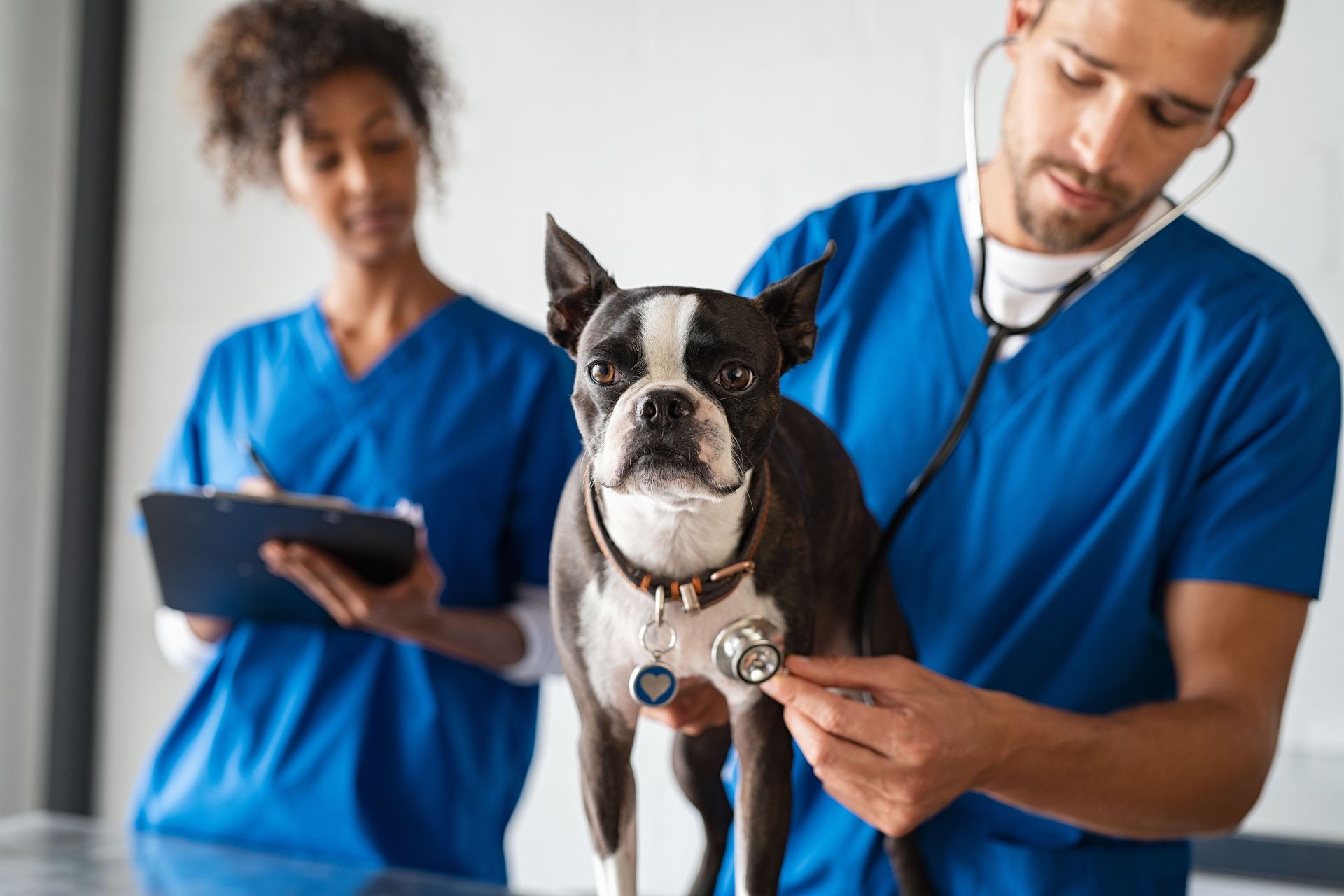
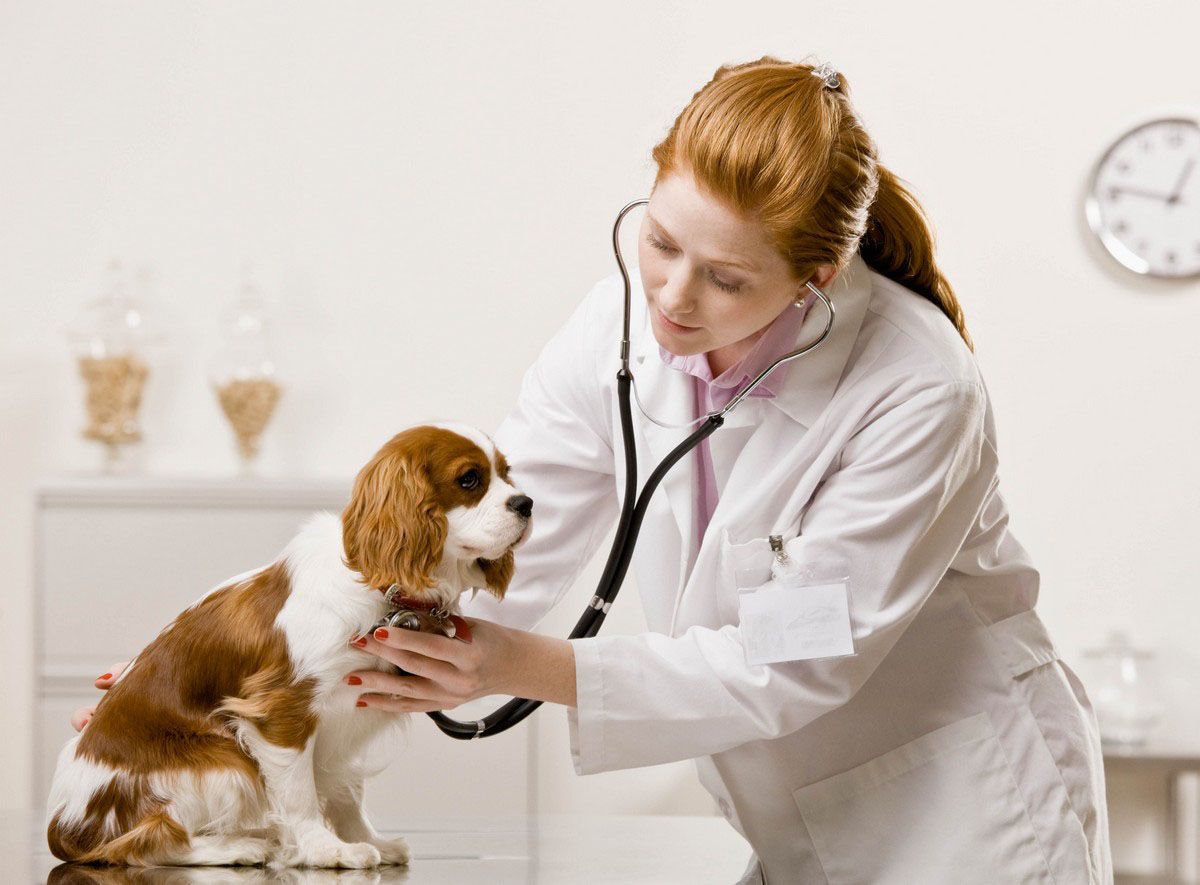
The physical exam is at the heart of every visit. Your veterinarian will check your pet's weight, temperature, heart rate, and breathing, then examine the eyes, ears, nose, mouth, skin, coat, and paws. They'll feel the abdomen for anything unusual and check joints and muscles for signs of discomfort or stiffness. Lumps, bumps, ear infections, and skin issues are often found during these routine exams. Because your pet may hide pain or illness, a hands-on exam can reveal problems you might not see at home. Regular pet wellness services make it easier to track changes from one visit to the next.
Keeping Vaccinations Up to Date
Vaccines help protect pets from serious and sometimes life-threatening diseases. According to the American Veterinary Medical Association, puppies and kittens typically receive vaccinations at about four months of age, often as part of a series that begins earlier in life. Adult pets need boosters on a regular schedule to maintain protection. Your veterinarian will recommend vaccines based on your pet's age, health, and lifestyle, such as whether they spend time outdoors, visit boarding facilities, or interact with other animals. Keeping vaccines current is one of the simplest ways to help protect your pet. Your veterinary team can also keep track of upcoming due dates, so nothing slips through the cracks.
Preventing Parasites
Fleas, ticks, heartworms, and intestinal parasites can affect pets of all ages, and some can also spread to people. During wellness visits, your veterinarian may recommend testing for heartworm disease and checking a stool sample for intestinal parasites. They'll also discuss year-round prevention options that fit your pet's needs. In Northwest Indiana, warm months bring an increase in fleas, ticks, and mosquitoes, but prevention is often recommended throughout the year. Staying consistent with parasite prevention helps protect your pet's comfort and long-term health. It also helps keep your home free from unwanted pests. Your veterinarian can help you choose a prevention product that's easy to give and fits your routine.
Checking Dental Health
Dental disease is one of the most common health problems in dogs and cats. Plaque and tartar can build up over time, leading to gum inflammation, bad breath, tooth loss, and pain. During a wellness exam, your veterinarian will look at your pet's teeth and gums for signs of trouble. If needed, they may recommend a professional dental cleaning under anesthesia, which allows the team to clean below the gumline and address problem teeth. Good dental care can help your pet eat comfortably and may support their overall health. Your veterinarian can also share tips for at-home dental care between visits. Simple habits like regular brushing or vet-approved dental chews can help slow plaque buildup.
Running Diagnostic Tests
Some health problems can't be detected through a physical exam alone. Depending on your pet's age and health, your veterinarian may recommend bloodwork, urinalysis, or other diagnostic tests. These tests can help identify issues with organs like the kidneys, liver, and thyroid before obvious symptoms appear. Results from routine tests also create a baseline that makes it easier to spot changes in the future. Early detection often allows for more treatment options and better outcomes. Including diagnostics as part of your pet wellness services gives you a more complete picture of your pet's health.
Discussing Nutrition and Weight
Diet plays a big role in your pet's health, energy, and lifespan. During wellness visits, your veterinarian will review what your pet eats, how much, and how often, along with any treats or table scraps. Extra weight can put stress on joints and may increase the risk of other health concerns, while unexpected weight loss can signal an underlying issue. Your veterinary team can recommend a diet and feeding plan tailored to your pet's age, size, and activity level. Pets with food allergies or sensitive stomachs may also benefit from diet counseling. Small changes in nutrition can make a meaningful difference over time. Your team can also help you set realistic weight goals and track progress at future visits.
Adjusting Care as Pets Age
Your pet's needs change as they grow older. Senior pets may develop arthritis, dental problems, vision or hearing changes, and other age-related conditions. Because of this, older pets may benefit from more frequent visits and additional diagnostic testing. Regular pet wellness services allow your veterinarian to monitor these changes closely and adjust care as needed. Pain management, diet changes, and simple adjustments at home can help keep senior pets comfortable. Paying attention to your pet's changing needs helps them enjoy their golden years with a better quality of life. Many owners find that a few small changes make a big difference in their senior pet's daily comfort.
Making Visits Less Stressful
Many pets feel nervous at the vet, and that stress can make visits harder for everyone. Fear Free practices focus on reducing anxiety through gentle handling, calm environments, and patience during exams. Bringing treats, a favorite toy, or a familiar blanket can also help your pet feel more at ease. For some pets, short practice visits or calming strategies recommended by your veterinarian can make future appointments smoother. Creating positive experiences helps your pet build trust over time. A calmer pet also allows your veterinary team to perform a more thorough exam. When pets feel safe, owners are also more likely to keep up with regular pet wellness services, which benefits their health in the long run.
At Hanover Veterinary Hospital, we're a family-owned practice that has cared for dogs and cats in Cedar Lake and Northwest Indiana since 1991. As a Fear Free Certified hospital, we focus on making every visit as comfortable as possible for your pet. Our pet wellness services include exams, vaccinations, parasite prevention, dental care, diagnostics, and nutrition counseling, along with surgery, dermatology, boarding, and emergency care. We also offer same-day appointments, mobile services, and flexible financing options. New clients can save 20% on their first exam. Contact Hanover Veterinary Hospital today to schedule your pet's wellness visit. We look forward to seeing you and your pet.